

A 2°C rise in air temperature increases arsenic concentration in brown rice by 30%, and when combined with a 200 parts-per-million spike in carbon dioxide levels, the concentration jumps by 60–70%. In China alone, this could raise arsenic-related cancer cases from 13.4 million to 19.3 million per year by 2050, while also heightening the risk of ischemic heart disease, diabetes, and other non-cancerous conditions.
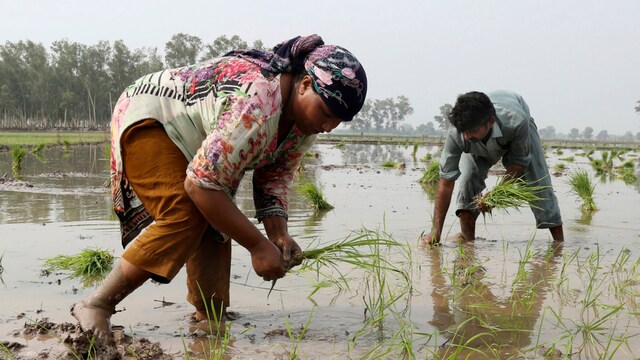
This alarming trend is driven by a surge in bacteria such as Pseudomonas, Rhizobium, Agrobacterium, Geobacter, and Clostridium, which convert arsenate (As⁵⁺) in the soil to arsenite (As³⁺)—a more bioavailable and toxic form of arsenic for plants.
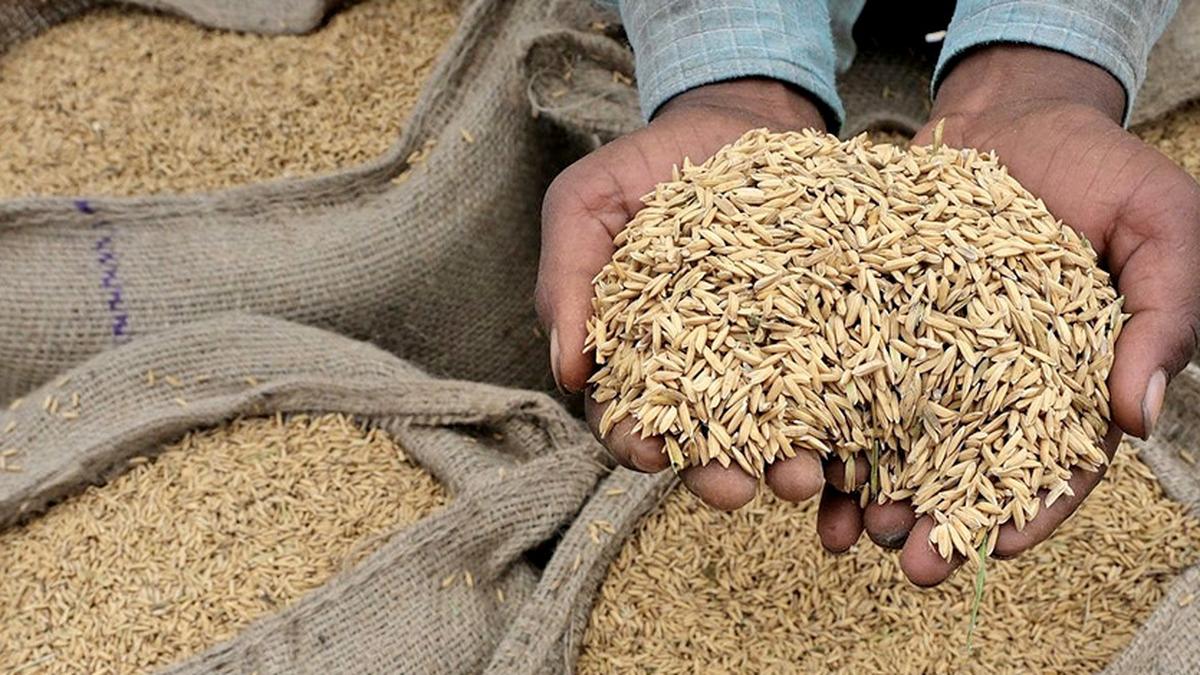
These findings come from a study published in The Lancet Planetary Health, led by Dongming Wang of the University of the Chinese Academy of Sciences. Researchers grew 28 rice varieties in China’s Yangtze River Delta using FACE (Free-Air CO₂ Enrichment) fields to simulate future climate conditions: a 2°C rise in temperature, a 200 ppm increase in CO₂, both combined, and a control.
They measured arsenic levels in rice grains and used metagenomic sequencing to identify arsC genes in the soil, which encode arsenate reductase. The study concluded that while CO₂ alone didn’t significantly boost arsenic accumulation, it amplified warming’s impact on soil microbiomes, accelerating the problem.
Would you like a summary version or a visual infographic for easier understanding?


