
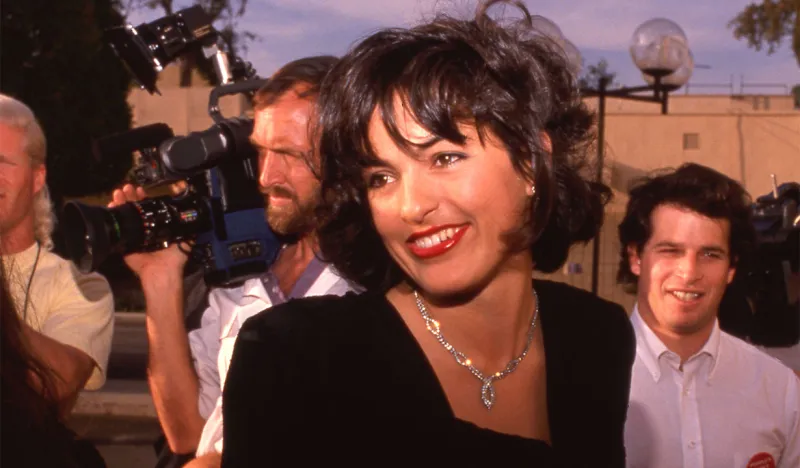
For more than two decades, Mariska Hargitay has been a constant presence on American television—steady, commanding, and deeply human. Best known for her role as Captain Olivia Benson on Law & Order: Special Victims Unit, Hargitay didn’t just play a TV detective. She reshaped what strength, authority, and compassion could look like on screen.
When SVU premiered in 1999, crime dramas were crowded with hardened investigators who relied on force, sarcasm, or bravado. Benson was different. Hargitay brought empathy to the forefront, portraying a character who listened as much as she spoke, who believed survivors when it wasn’t yet fashionable to do so, and who treated trauma with seriousness rather than spectacle.
That approach resonated—powerfully. What began as a procedural drama evolved into a cultural touchstone, largely because of Hargitay’s performance. Week after week, viewers watched Benson sit across from victims and suspects alike, using patience and emotional intelligence as her primary tools. The silence mattered. The pauses mattered. And audiences felt seen.

But Mariska Hargitay’s impact didn’t stop when the cameras cut.
In 2004, she founded the Joyful Heart Foundation, an organization dedicated to supporting survivors of sexual assault, domestic violence, and child abuse. Drawing from both her work on SVU and her own personal experiences, Hargitay became one of the most visible and committed advocates in the fight against sexual violence.
At a time when these conversations were often avoided or minimized, she helped bring them into the mainstream. She spoke openly about survivor healing, rape kit reform, and the systemic failures that silence victims. Her advocacy contributed to real-world change, including increased awareness of the backlog of untested rape kits across the United States.
What makes Hargitay’s activism especially powerful is its authenticity. It isn’t performative or distant—it’s grounded in listening, learning, and sustained action. Survivors frequently credit her with helping them find their voice, both through her work on screen and her efforts off it.
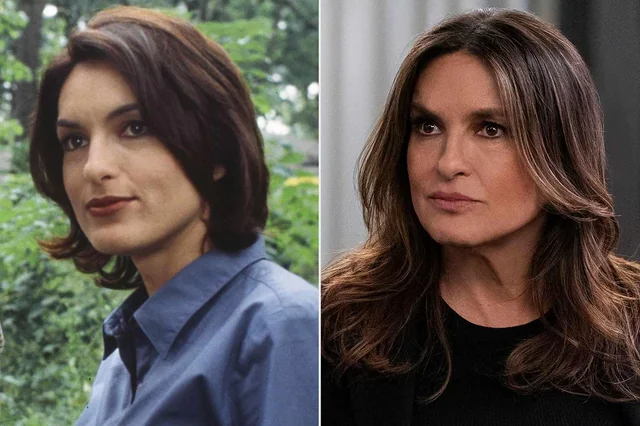
Over the years, Hargitay has received numerous awards for both her acting and humanitarian work, yet she has never positioned herself above the cause. Instead, she consistently redirects attention back to survivors, reinforcing the message that healing is possible and that justice, while imperfect, is worth fighting for.
Now in her 60s, Mariska Hargitay remains a rare figure in Hollywood: a woman whose career has grown stronger with time, whose influence extends far beyond ratings, and whose legacy is defined as much by compassion as by longevity.
In a medium often obsessed with speed, spectacle, and reinvention, Hargitay chose something braver—consistency. She showed up. She listened. And in doing so, she became not just a television icon, but a symbol of quiet, unshakable strength.


