

Urban planners and architects can design as many pathways, sidewalks, and trails as they want, laying out maps with precision and logic—but time and again, people ignore the perfectly planned routes. Instead, they choose the path that feels natural, instinctive, or simply faster. It’s as if a silent collective decision forms among pedestrians: this is the route that works, no matter what the plan says.
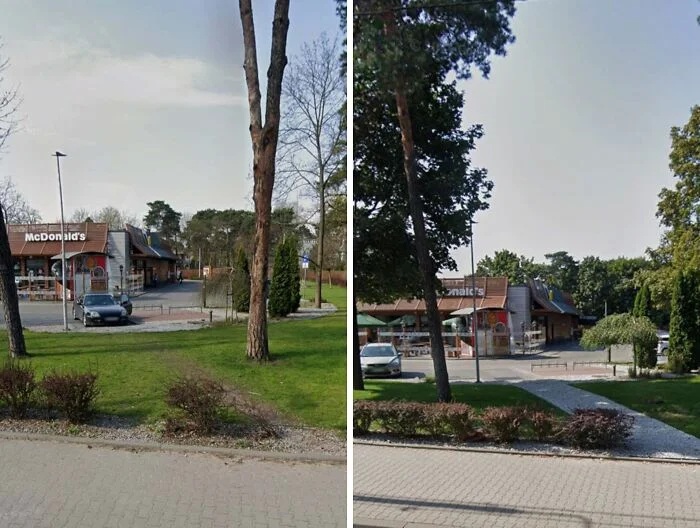
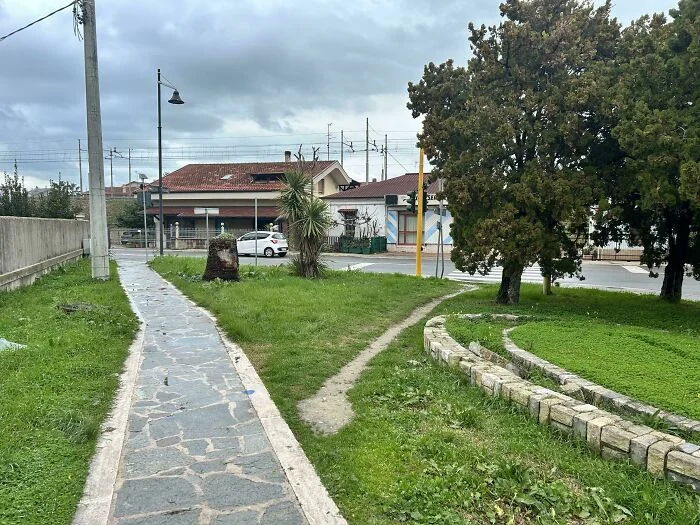
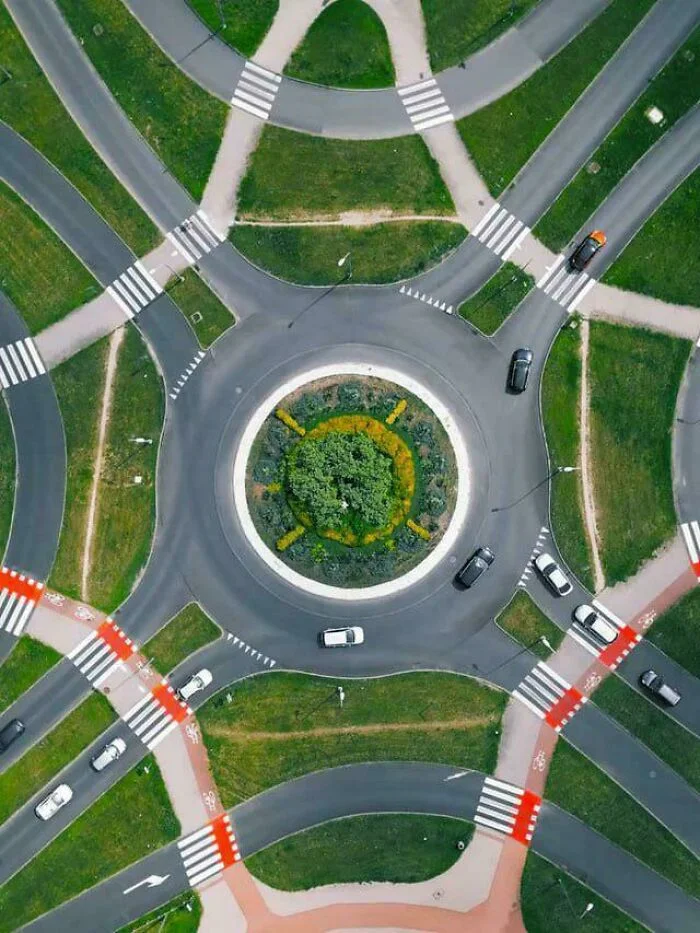
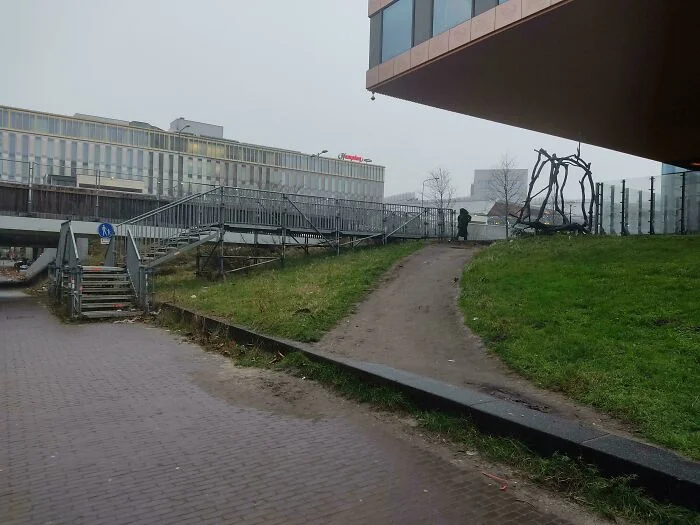
Over time, these choices leave their mark. Narrow trails appear on grassy fields, dirt patches, or even snowy landscapes, creating what are sometimes called “desire paths” or “desire lines.” They are small, unofficial routes, yet they speak volumes about human behavior. Life, it seems, rarely follows the carefully drawn plans of maps and blueprints.
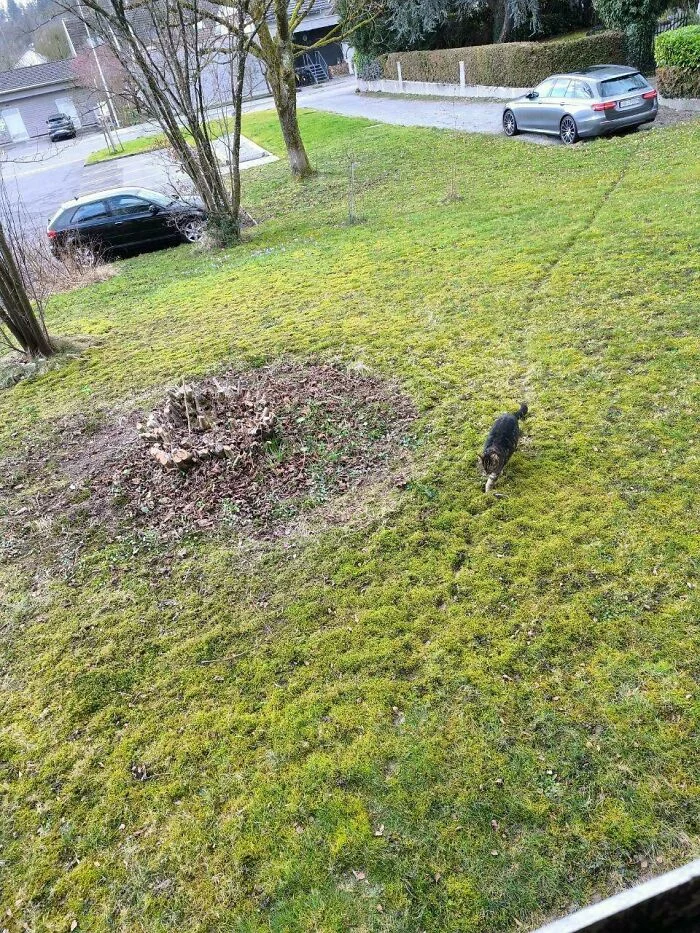
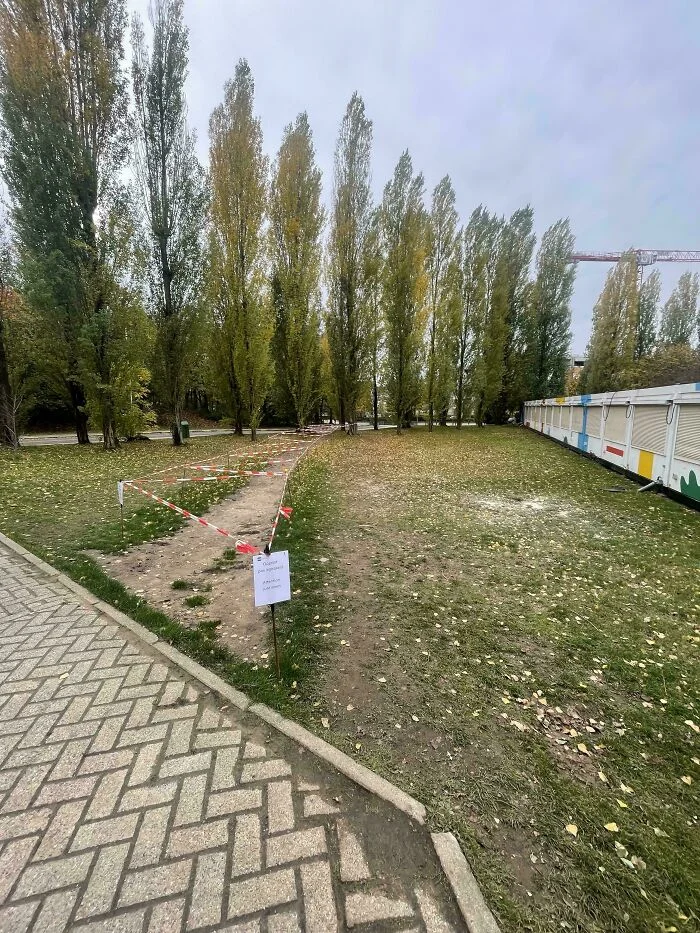
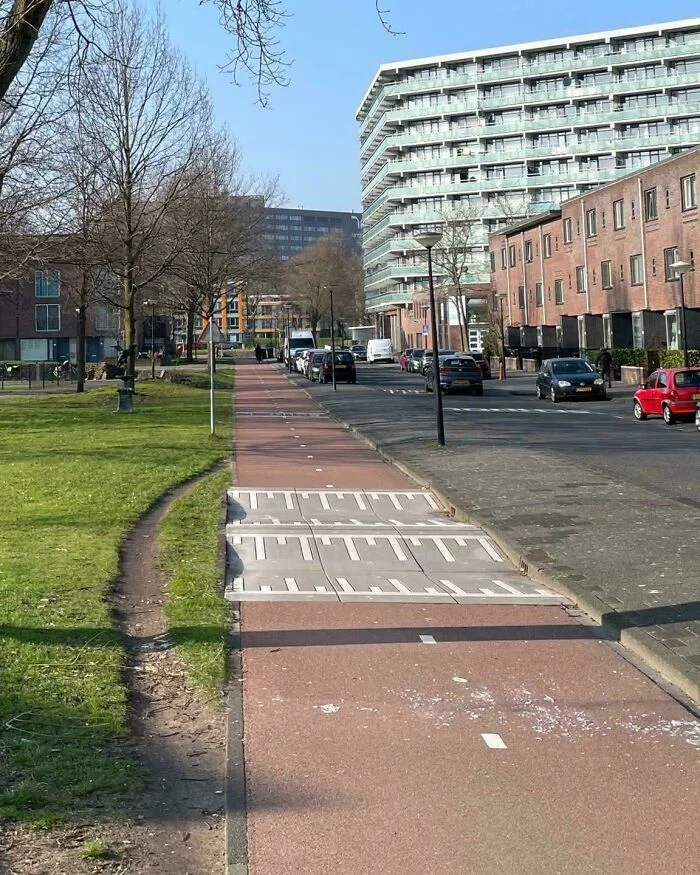
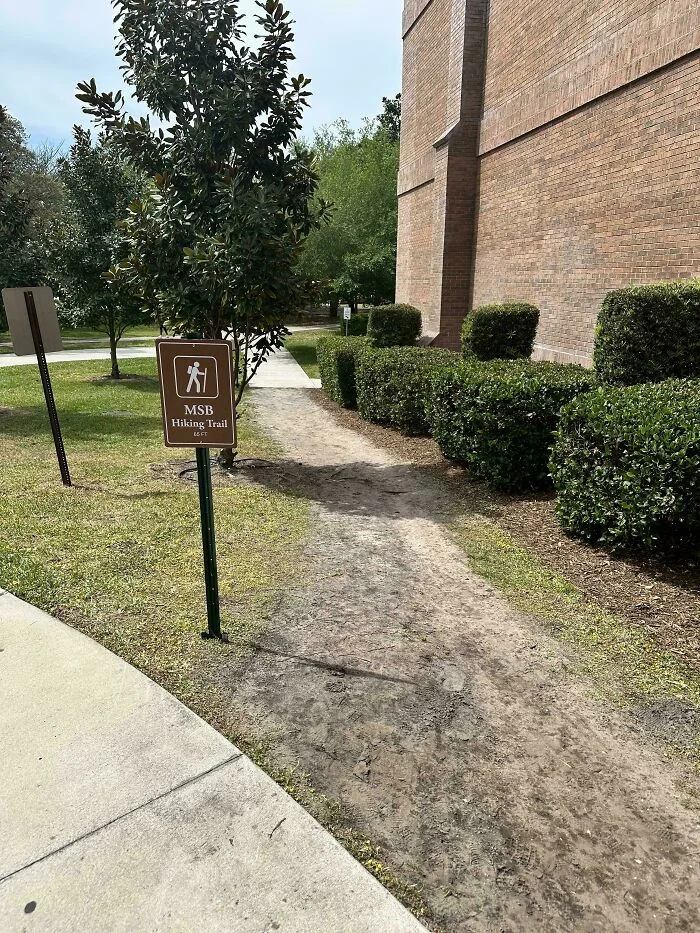
Looking at these paths, it’s easy to see how meticulous city design and human instinct can clash. From the neat, orderly walkways in parks and campuses to diagonal shortcuts across lawns, these little tracks show a quiet rebellion: the practicality of human movement overrules the aesthetics of planning. And something is amusing in seeing this tug-of-war—perfectly manicured spaces subtly reshaped by the simple choices of countless footsteps.
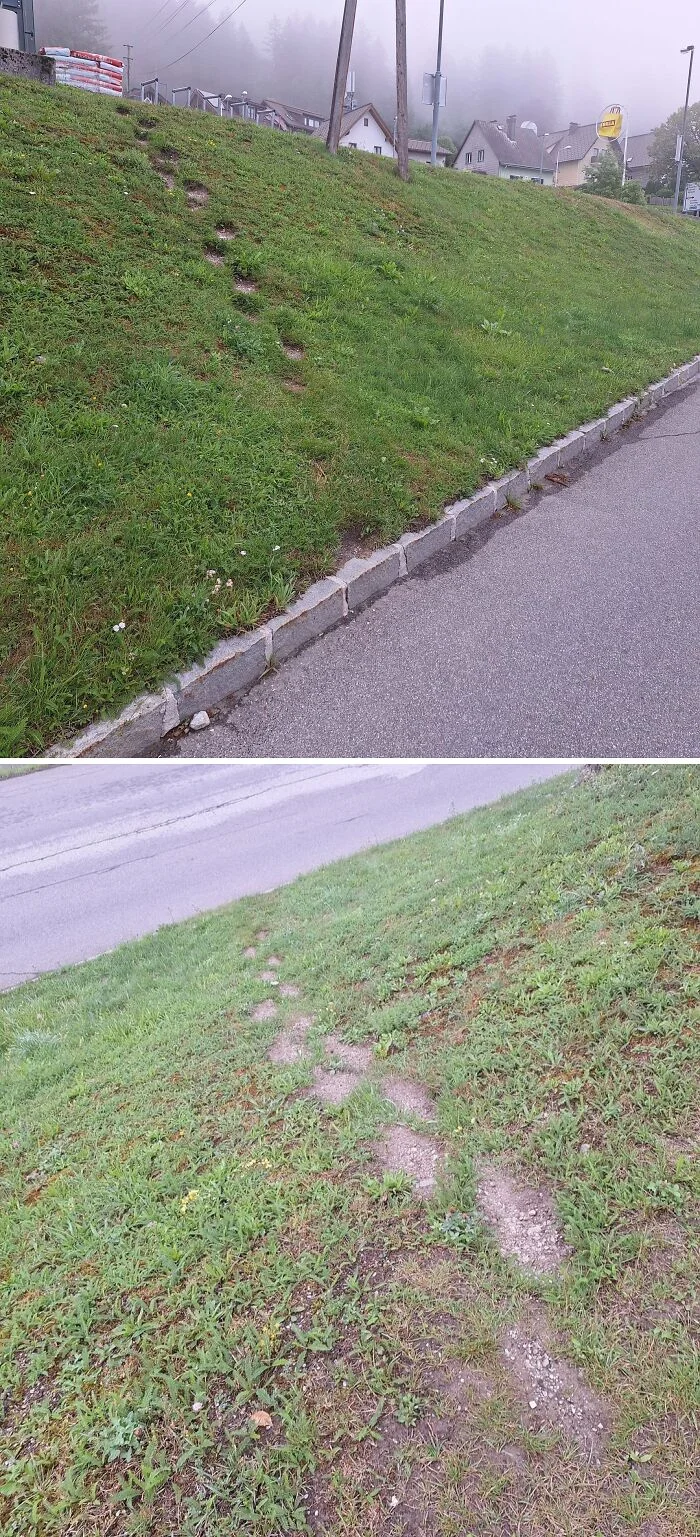
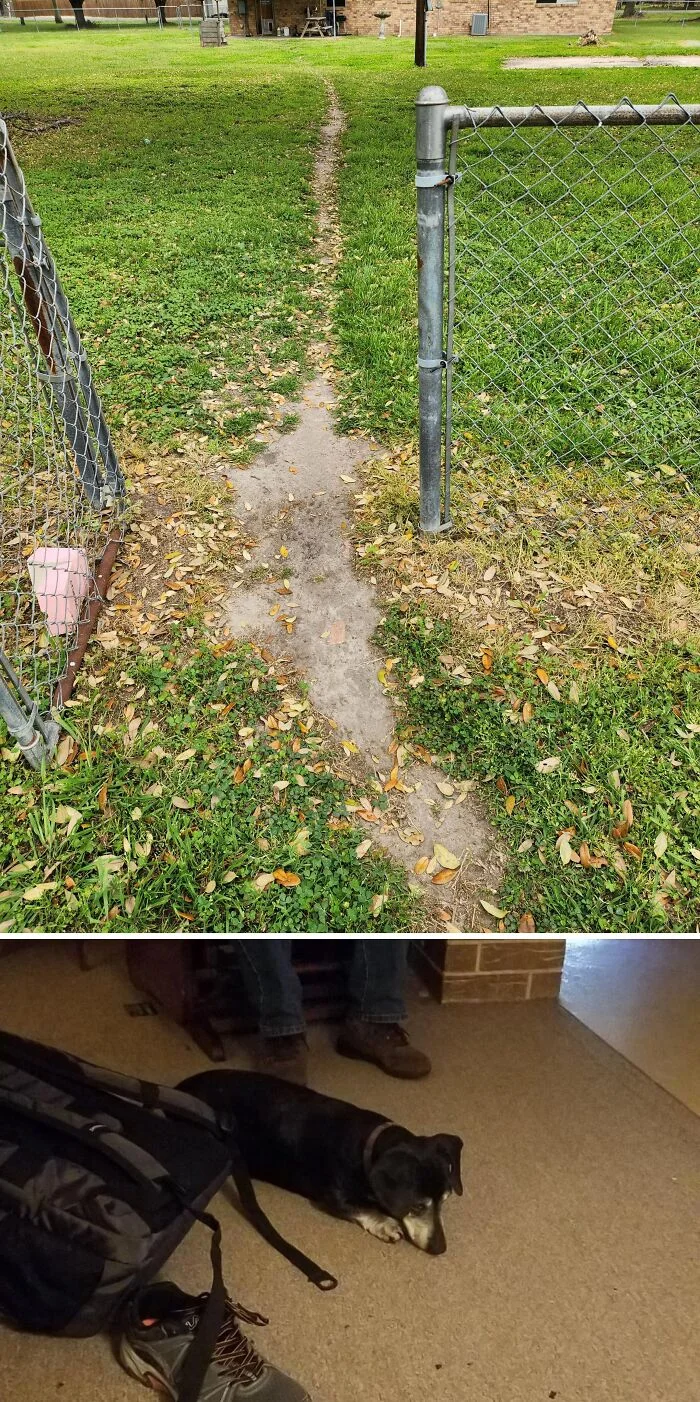
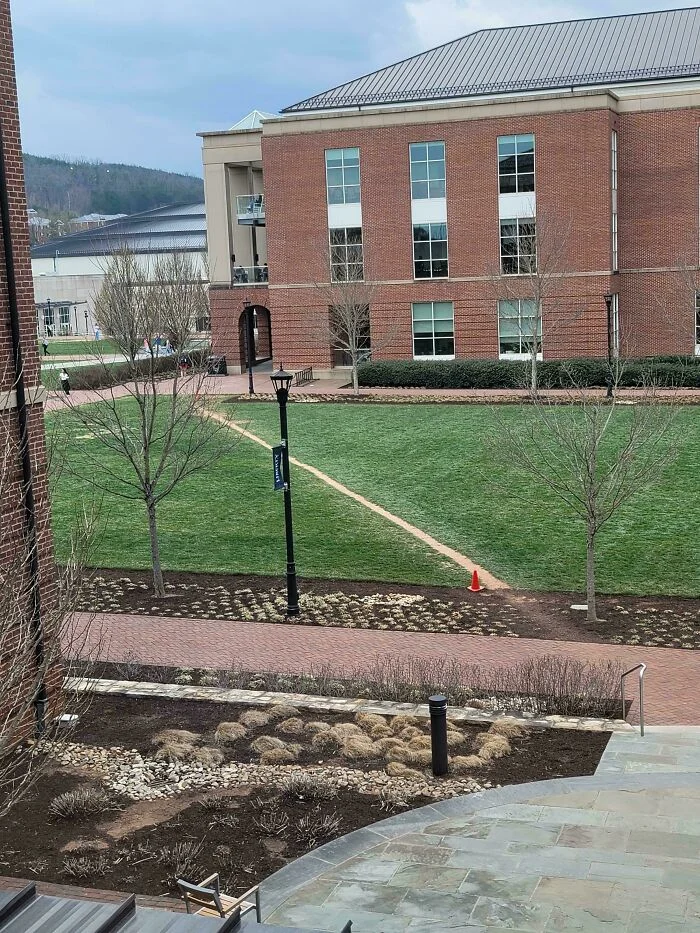
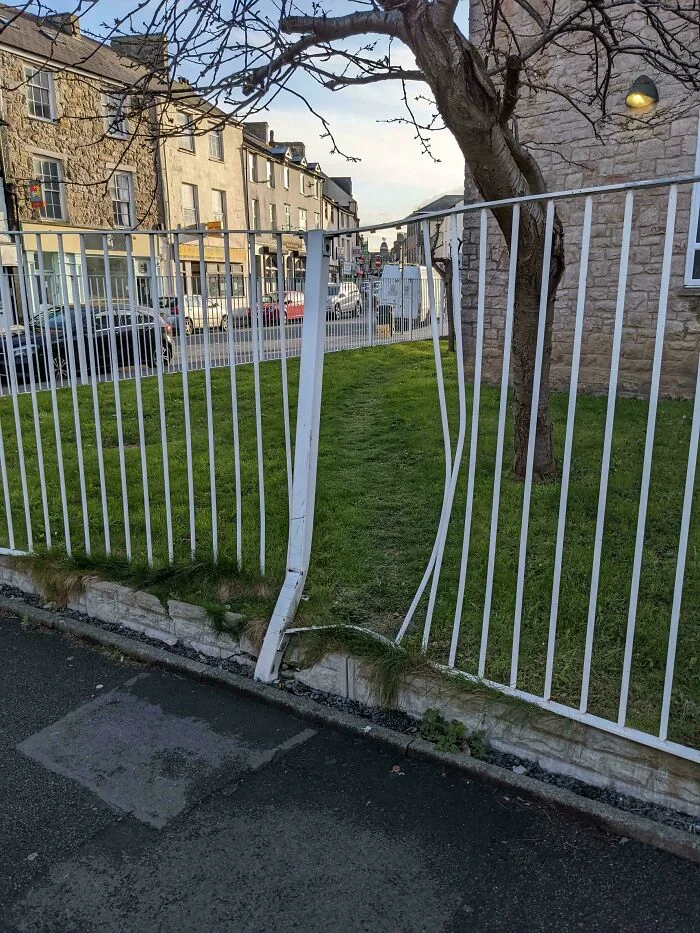
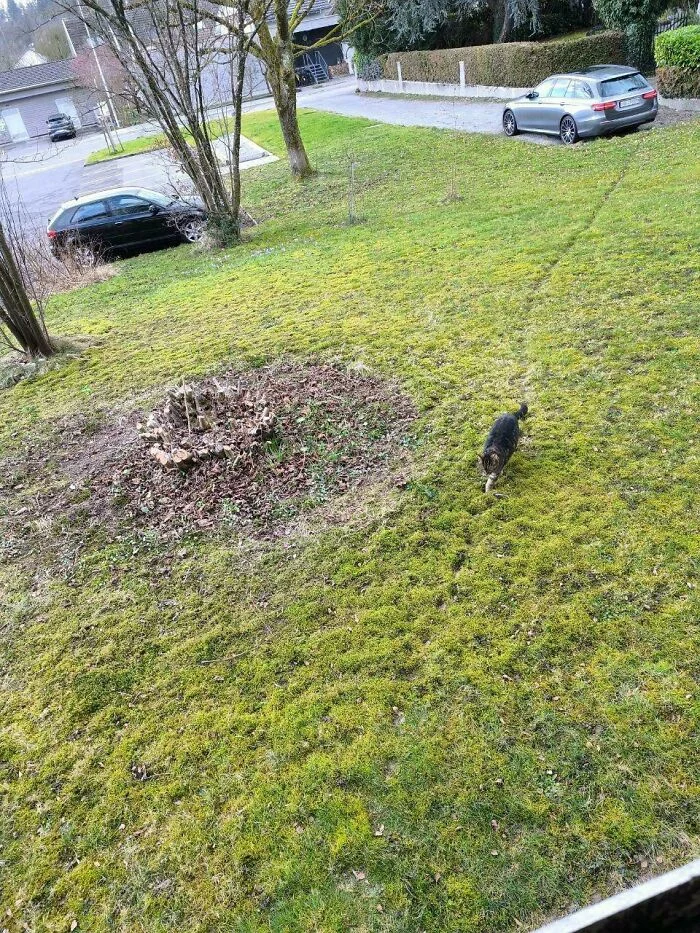
These images capture more than just shortcuts—they capture a universal truth. We all seek the easiest, most convenient way, whether it’s cutting across a park instead of following the winding sidewalk, stepping off a designated path to save a few seconds, or forging a new trail entirely. They are reminders that, despite careful planning and design, human nature often has its own agenda.
So next time you notice a narrow trail through a perfectly kept lawn or a diagonal path slicing through a neatly designed plaza, remember: it’s not just a shortcut. It’s a small, silent statement about people, practicality, and the creative ways we adapt the world around us to fit our needs. Convenience, in the end, always finds a way. 😄🚶♂️🌿


