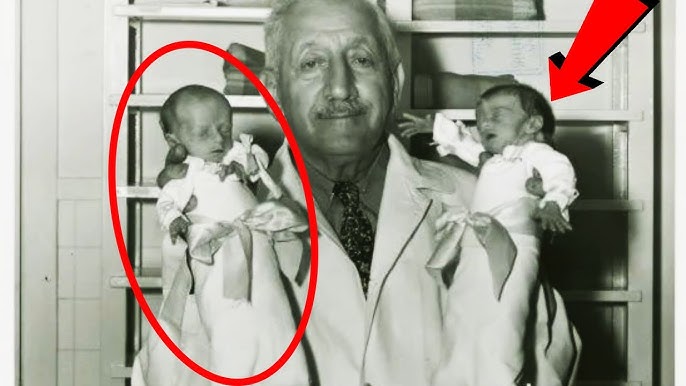
He wasn’t a doctor. He had no license. He had never attended medical school. Yet Martin Couney saved over 7,000 premature babies at a time when the world had already written them off.
In the early 1900s, when infants were born too early, most people did nothing, whispering, “It’s God’s will.” Doctors shrugged. Hospitals refused care. Eugenicists coldly declared, “Let them die. Nature will take care of it.” But Couney refused to accept this. “No,” he said. “Let’s try to save them.” That simple, defiant sentence would become the cornerstone of one of the most extraordinary medical stories in history.
Little is known about Couney’s early life, though he likely emigrated from Germany around 1870. He claimed to have trained under an apprentice of Stéphane Tarnier, the French pioneer of the infant incubator, yet he had no diploma, no license, no formal record of medical education. “He made himself into what the world needed,” a nurse later said. “A doctor for the forgotten.”
Inspired by Tarnier’s invention, Couney brought the idea to life. In 1896, at the Berlin Exposition, he did the unthinkable: he displayed premature babies inside incubators for the public to see. Visitors gasped. Mothers wept. Doctors scoffed. But Couney’s message was clear: “Don’t fear the spectacle. Fear the silence. The silence is what kills your child.” This demonstration gave birth to the “Kinderbrutanstalt,” or Children’s Hatchery, and became a global sensation.
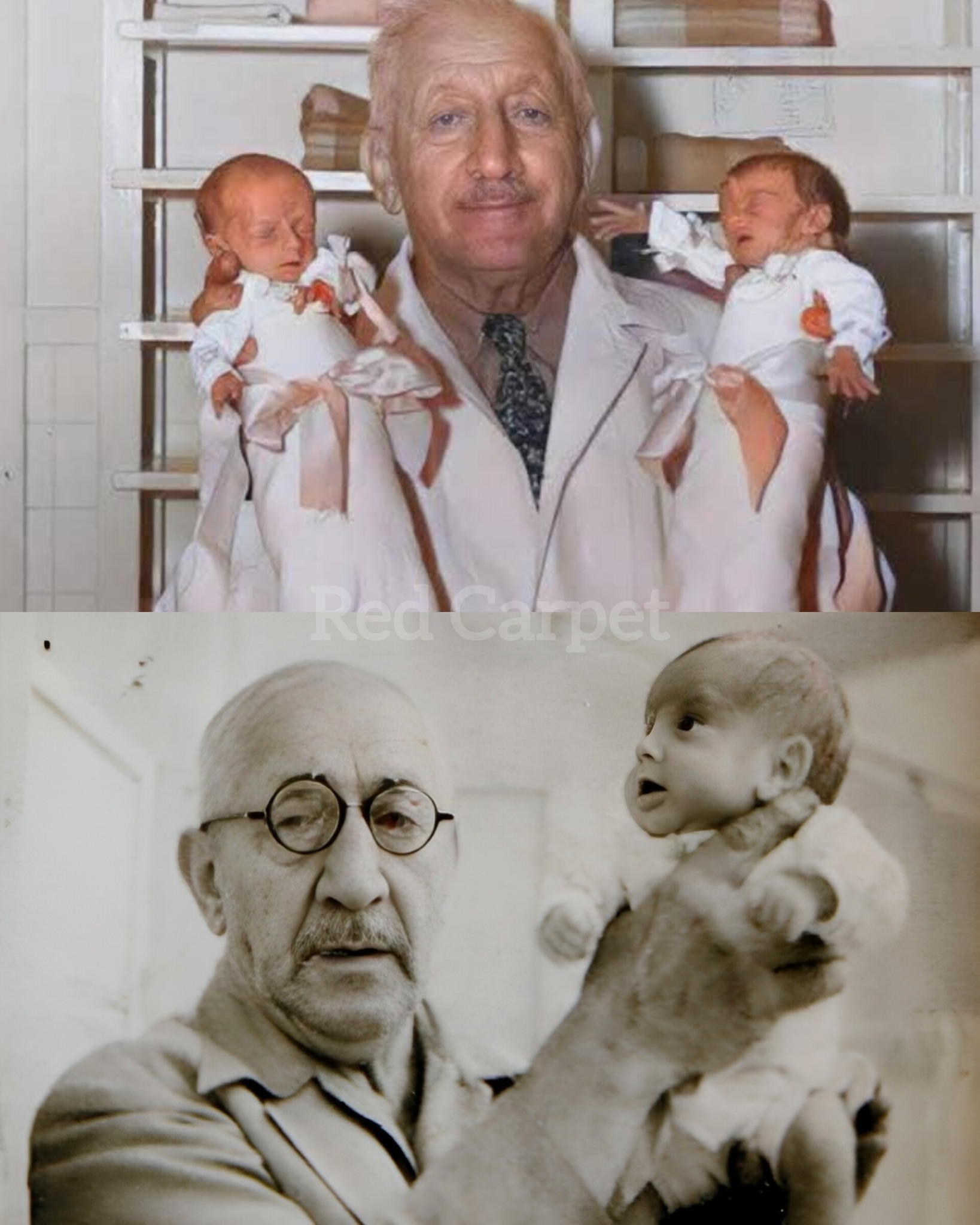
Eventually, Couney brought his incubators to London, America, and finally Coney Island. Amid carnival rides, popcorn, and laughter, a small white building stood with the sign: “All the World Loves Babies.” Inside, rows of tiny infants lay in advanced French incubators, far superior to any hospital equipment in the U.S. Visitors paid a small fee, parents paid nothing. The money funded nurses, midwives, linens, heat, and round-the-clock care. It literally paid for life.
The world mocked him. He was labeled a fraud and accused of exploiting babies for entertainment. Couney never argued. He simply said, “Look at them. They live. That is my answer.” Even skeptical hospital doctors quietly sent infants to his sideshow, some carrying babies themselves through the crowd.
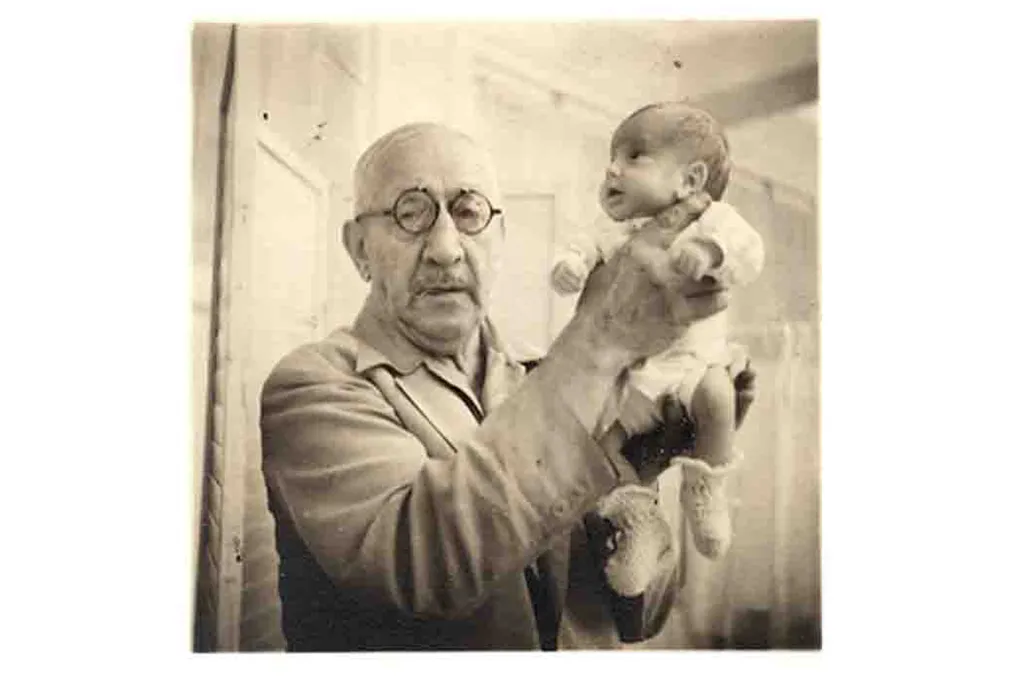
Couney’s work influenced pioneers like Julius Hess, the father of American neonatology, and Arnold Gesell, a developmental psychologist who documented his techniques decades ahead of their time. Though he never received formal recognition, his Coney Island exhibit ran from 1903 to 1943, saving thousands of lives.
Couney passed away in 1950. Within a few years, hospitals finally established premature infant units using methods he had championed for decades. One former patient, saved at just two pounds, reflected at age 70: “I owe my life to a man who wasn’t even a real doctor. The world judged him. I am living proof he was right.”
Martin Couney never had letters after his name, never earned the respect of the medical establishment, and was often ridiculed. But he had something rarer: compassion for babies the world had abandoned. He believed that every life, no matter how small, deserved a chance. “A title doesn’t save a child,” he said. “Care does. Hope does. And I will never stop giving them that.”
In the end, his incubators changed medicine. His sideshow became science. His defiance sparked a revolution. And the man who wasn’t a doctor saved thousands who were never meant to survive.


