
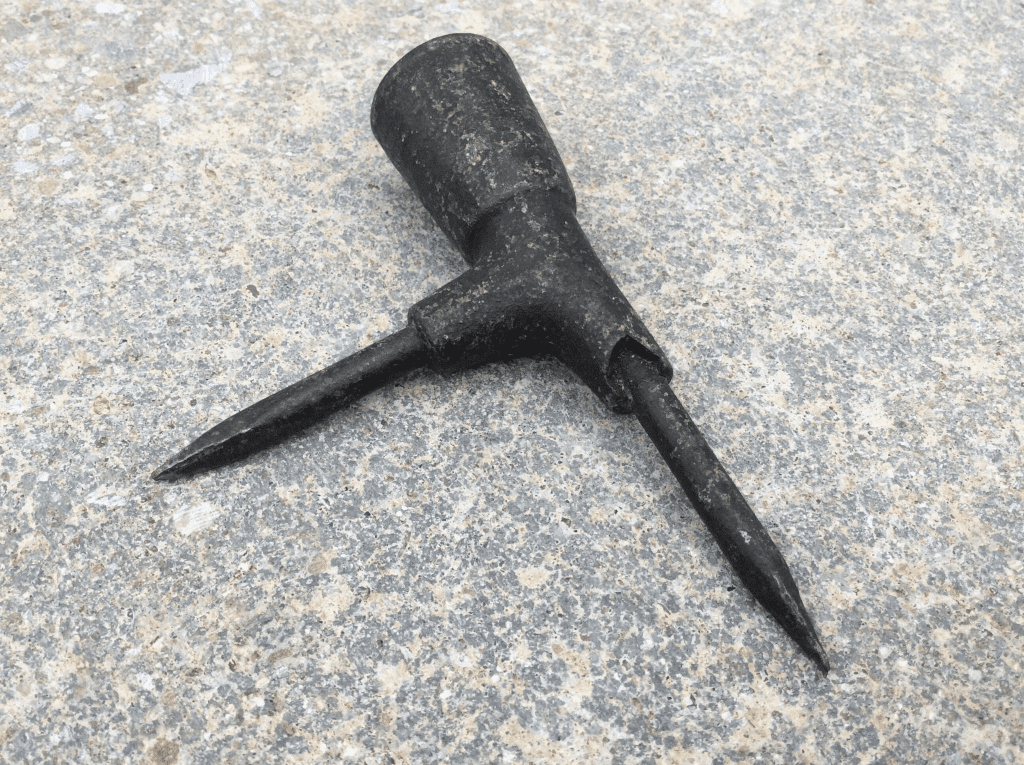
Exploring One of Mining’s Most Legendary Tools
Long before electric lamps, oil lanterns, or safe gas lighting existed, miners relied on a remarkably simple yet ingenious tool: the Sticking Tommy. Up close, its design is unforgettable—featuring a sharp spike, a spiral body, and a curled hook, this hand-forged iron piece wasn’t just practical—it was a masterpiece of craftsmanship.
Today, we’re diving into the history, design, and purpose of this iconic relic of mining heritage.
What Is a Sticking Tommy?
At first glance, it might resemble an antique dagger or a decorative ironwork piece. But the Sticking Tommy was a miner’s essential companion in the darkest, most treacherous tunnels. Functioning as a candle holder, it brought light to mine shafts long before modern illumination existed.
For miners of the 18th, 19th, and early 20th centuries, it wasn’t merely a tool—it was a lifeline.
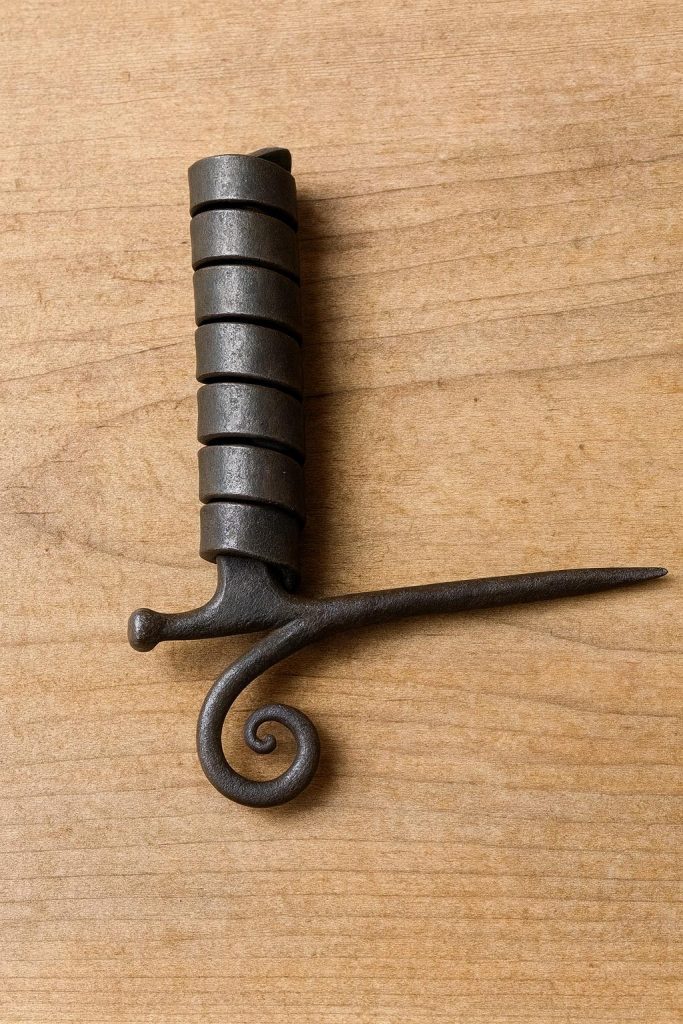
How to Recognize a Genuine Sticking Tommy
Every part of this tool reflects the classic design used in the 1800s. Here’s what makes it unmistakable:
The Long, Spear-Like Spike
This tapered spike was driven directly into rock walls, wooden beams, or cracks. It held the candle securely at eye level, stable and out of the way—crucial in dangerous underground conditions.
The Spiral Coil Body
The coil wasn’t just decorative. It gripped the candle firmly, keeping it upright despite vibrations or movement. Think of it as a 19th-century flexible clamp.
The Hook and Curled Loop
These elegant twists had practical uses:
-
Hanging the candle on beams or ropes
-
Attaching it to belts or gear
-
Balancing it on flat surfaces
Beyond functionality, the swirl reflected the artistry of blacksmiths who forged tools for mining communities—strong, useful, and visually striking.
How Miners Used the Sticking Tommy
Imagine a dark, damp tunnel with rough stone walls and scarce light. A single candle on a spike became a miner’s portable beacon. With it, workers could:
-
Embed candles into walls for steady light
-
Hang them from beams in uneven areas
-
Carry light while climbing or crawling
-
Move the flame easily as they advanced
In an era before gas lamps were widespread, the Sticking Tommy was indispensable.
The Timeline of Its Use
This tool wasn’t a fleeting innovation—it spanned generations:
-
Late 1700s: Mining expansion
-
1800s: Industrial mining boom
-
Early 1900s: Continued use in areas slow to adopt modern lamps
Some remote regions reportedly used them even into the 1910s and 1920s. The Sticking Tommy embodied the courage and resourcefulness of miners working with just a single flame.
Why Collectors and Historians Admire It
Though no longer in regular use, the Sticking Tommy fascinates collectors and historians alike for its:
-
Hand-forged craftsmanship
-
Multi-functional design
-
Connection to early mining culture
-
Role in industrial history
-
Iconic, rugged silhouette
Collectors often describe it as a small artifact that tells a powerful story.
A Beacon in the Darkness
More than metal and candle wax, the Sticking Tommy symbolizes the determination of miners facing total darkness every day. From the sharp spike to the spiral coil and curled hook, every feature served a purpose. What may look like an odd antique today was once a lifeline, a source of safety, and a testament to human ingenuity.
Conclusion
The Sticking Tommy remains one of the most fascinating tools from mining history. Its clever design, practical features, and artistic touches reflect the resilience and creativity of miners who relied on it in life-threatening conditions. For over a century, it illuminated tunnels, guided workers, and became a symbol of survival in one of the toughest jobs imaginable. Today, it stands as a tribute to craftsmanship, resourcefulness, and the ingenuity that shaped modern industry.


