
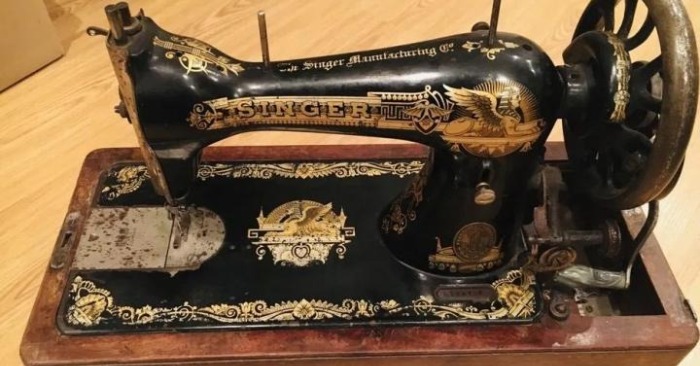
Many people fondly recall the classic sewing machines that once graced nearly every household. These machines, often used by our mothers and grandmothers, were not only practical but also beautifully designed. Among them, one brand stood out and became iconic: Singer. Alongside its popularity, countless intriguing stories and rumors have emerged.
The very first Singer sewing machine was invented in 1851 by Isaac Singer, an American inventor and entrepreneur. Within a decade, Singer machines gained global fame. Production grew rapidly, and licenses were sold internationally, spreading the brand worldwide.
In the early 20th century, a large Singer factory was established near a small city with a population of just 5,000 people, but with excellent rail connections. By 1914, the factory was producing an impressive 600,000 machines annually. This made the country the world’s second-largest producer and exporter of sewing machines, after the U.S. Buyers from Persia, Japan, China, and many other countries eagerly purchased these machines.
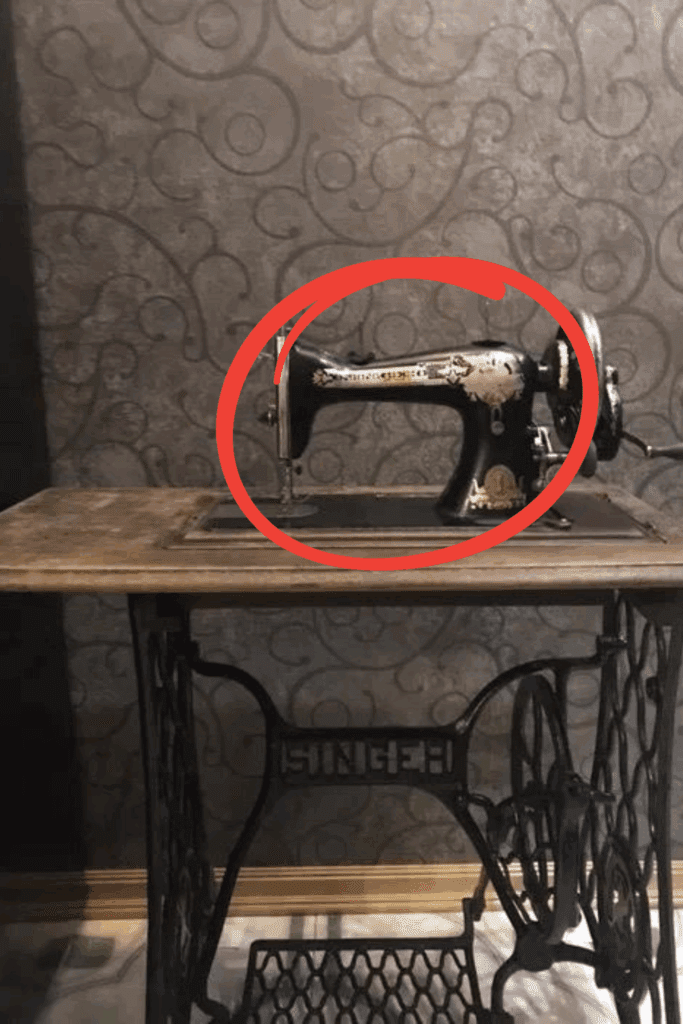
Production halted briefly during the political upheaval of 1917 but soon resumed under new names like “Gosshveymashina” and “PMZ” (Podolsk Mechanical Plant). Despite the new branding, the machines retained their signature look: elegant curved shapes, glossy black finishes, intricate gold details, and polished wooden bases.

Why do these vintage Singer machines continue to captivate collectors and enthusiasts today? Over the years, a variety of unusual rumors have circulated. For example, in 1998, some claimed the company was secretly buying back machines with serial numbers starting with “1.”
In the 1990s, a popular myth suggested that early models were made using rare palladium metal. Later, in the 2000s, a rumor in Saudi Arabia spread that Singer needles contained “red mercury,” supposedly linked to bombs or treasure hunts. Others said that some machines were crafted from white gold by wealthy families as a way to hide their fortunes. There were also beliefs that serial numbers were secret bank account codes, and some collectors hunted for machines with special serial patterns, like repeated digits.


None of these tales have been verified, yet Singer sewing machines remain highly sought after. While some people still use them for sewing, many others treasure them as valuable antiques. In fact, rare vintage models can command prices up to $1,000 or more on resale platforms like olx.ua.
Do you have any memories of a Singer machine in your family? Or maybe you still own one? Share your thoughts in the comments—whether you believe the legends or simply admire the timeless charm of these classic machines!


