
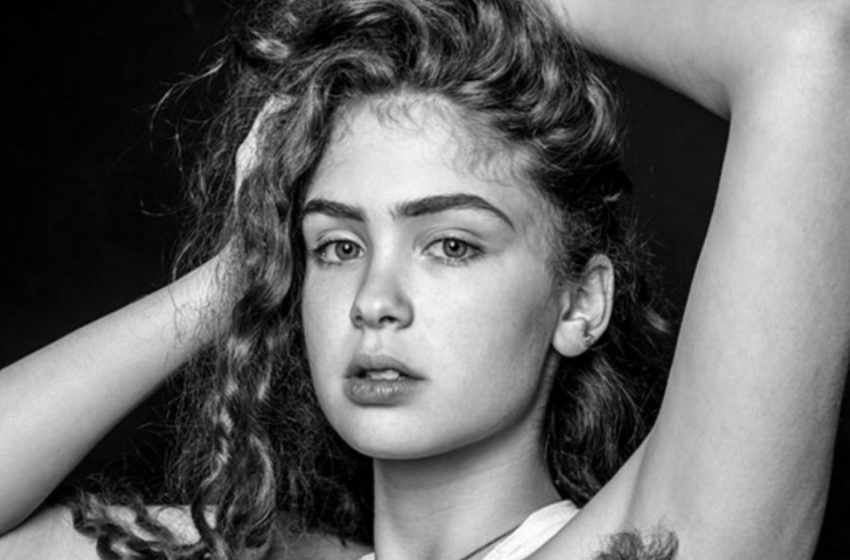
A striking photo project called “Natural Beauty” is sparking dialogue by confronting traditional beauty norms, particularly those around female body hair. The series features women confidently embracing their natural armpit hair, challenging the long-standing societal pressure to remove it—a practice that dates back to ancient times. In early human history, body hair removal was often done with crude tools, evolving over generations. Charles Darwin’s theory of sexual selection also influenced the belief that being hairless was a sign of being more attractive and “evolved,” solidifying this beauty ideal in the 20th century.

By the early 1900s, smooth, hairless skin became an expected part of femininity, and visible body hair was increasingly viewed as something shameful. Philosopher Heather Widdows has pointed out the guilt many women feel when they don’t shave. But photographer Ben Hopper, who created the “Natural Beauty” series, aims to challenge this mindset. His work features women proudly showing their natural body hair, inviting viewers to rethink mainstream standards seen in fashion and media.

Hopper’s imagery contrasts polished portrayals of women with more raw, authentic looks—presenting female armpit hair not as something unkempt, but as something natural and powerful. Several participants in the project—actresses and models—share that letting their body hair grow has been an empowering, freeing experience. For them, it represents not only comfort but a symbolic reclaiming of personal strength and autonomy.

Importantly, Hopper doesn’t claim that all women should stop shaving. Instead, he hopes to expand the conversation—challenging the idea that hair removal is the default and encouraging women to choose what feels right for them. For some, like model Sienna, keeping body hair simply came down to comfort. Others, such as Emilie Bostdt, argue that allowing body hair to grow shouldn’t be a radical act—though society’s response often makes it feel that way.

In the end, “Natural Beauty” helps to redefine what femininity can look like. By highlighting diverse experiences and appearances, the project promotes a more inclusive, accepting idea of beauty—one that honors authenticity over conformity.


